At the heart of many casino games lies a robust reward system that captivates players. This system is meticulously designed to trigger positive feelings associated with winning, which reinforces the desire to play more. When players experience wins, whether big or small, their brains release dopamine, a neurotransmitter linked to pleasure and reinforcement. This biological response creates a cycle where players are encouraged to return to games in hopes of replicating this reward, effectively deepening their engagement, especially in platforms featuring options like crypto casino instant withdrawal that enhance the overall experience. This cycle is particularly potent in environments where players can access games frequently, as repeated wins amplify the emotional connection to the game.
Moreover, the anticipation of rewards plays a significant role. Game designers strategically incorporate intermittent rewards rather than consistent payouts, which makes the experience more thrilling. Players often find themselves on the edge of their seats, waiting for a win that might never come, a phenomenon akin to the ‘near-miss’ effect. This unpredictability keeps players engaged, as they believe that a big win is just around the corner, underpinning a psychological strategy that exploits human behavior. The thrill of the unknown can be more enticing than guaranteed outcomes, making it a fundamental aspect of game design.
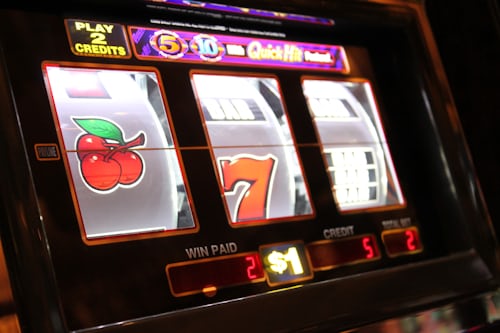
This design strategy can influence the gameplay experience in profound ways. For instance, slot machines often feature bright lights and engaging sounds that resonate with players during payouts. The auditory and visual feedback reinforces the euphoric feelings associated with winning, further embedding the idea that engaging with the game is not only entertaining but also rewarding. Consequently, these elements serve not just as mere embellishments but as integral parts of the gaming experience that enhance player retention. The combination of sensory stimulation and emotional reward creates an environment where players feel both excited and hopeful, driving them to play longer and more often.
Visual and auditory stimuli are powerful psychological tools in casino game design, specifically tailored to create an immersive atmosphere. Game designers utilize colors, shapes, and animations that are abundantly appealing. Bright colors like red and gold are often employed because they evoke feelings of excitement and luxury, prompting players to associate the game with potential wealth. The use of animations during winning moments heightens engagement, making players feel as though they are part of an exhilarating experience rather than simply playing a game. This careful selection of colors and designs is not arbitrary; it is rooted in psychological principles that dictate how humans perceive and react to their environments.
Sound design is equally crucial in developing an engaging gaming environment. The sounds of coins clinking, celebratory music, and animated sound effects are intentionally crafted to evoke emotions of joy and victory. This auditory feedback can quickly become addictive; players may find themselves returning not just for the games but also for the auditory experiences that accompany them. The synchronization between what players see and hear further entrenches their commitment to the game. For example, the sound of a jackpot win often features a crescendo that enhances the emotional impact of the moment, reinforcing the desire to achieve that feeling again.
Additionally, the psychological concept of flow—a state of complete immersion—can often be achieved through thoughtful design of these sensory elements. A game that perfectly balances challenge and skill fosters higher levels of engagement. By continually adjusting the difficulty and offering frequent rewards, designers guide players toward this optimal state, making them less aware of time and promoting extended play sessions. This intentional manipulation of sensory experiences not only creates an environment that is both captivating and stimulating but also significantly increases the likelihood of players returning for more, as they seek to replicate the enjoyable experience.
The intricacies of game mechanics can profoundly influence player behavior and decision-making in a casino setting. Elements such as betting structures, paylines, and bonus features are all designed to encourage specific actions from players. For example, games with multiple paylines give players the impression of a higher chance of winning, even if the odds remain unchanged. This perception of increased opportunity can lead to more frequent betting and prolonged playtime, enhancing the casino’s profitability. By creating a sense of empowerment and control, designers effectively manipulate player choices, fostering a deeper connection to the game.
Another essential feature is the integration of skill-based elements within predominantly chance-driven games. When players feel that their choices can influence outcomes, their investment in the game increases. Certain games provide opportunities for strategic decision-making, allowing players to exercise skill, which enhances their overall experience and satisfaction. This interplay of chance and skill engages players on a deeper level, fostering a belief that they can control their fate—a comforting illusion that keeps them coming back. This psychological engagement is critical as it transforms the experience from mere luck to an interactive challenge.
The design of progressive jackpots further illustrates how mechanics can mold player behavior. The allure of accumulating wealth over time can be irresistible, often leading players to invest more money in hopes of hitting the jackpot. This long-term game structure effectively keeps players engaged for extended periods as they chase the dream of a significant payout. Such mechanics provide not just the thrill of play but also a sense of community among players who share in the anticipation of large payouts, enhancing the overall gaming atmosphere. The shared excitement of the chase can lead to increased camaraderie among players, reinforcing their commitment to continue playing.
Gamification is becoming a prevalent method in casino game design, employing competitive elements that tap into human psychology. Features such as leaderboards, player levels, and achievement badges transform the gaming experience into a competitive event, further enhancing player engagement. By introducing a sense of competition, players are motivated to improve their skills and climb rankings, creating a social experience that encourages consistency in gameplay. This competitive atmosphere is not just about individual achievement; it fosters a community of players who interact and share their experiences, further driving engagement.
Moreover, the incorporation of social elements amplifies the desire to participate in these games. When players can share achievements or compare scores with friends, the communal aspect of gaming reinforces the need to return. This social validation becomes an influential factor; as players strive to maintain their status among peers, their engagement with the game deepens. Casinos can leverage these elements not just to retain players but also to attract new ones drawn to a sense of community and shared experience. The social context of gaming becomes a vital component, facilitating lasting connections among players.
The psychological implications of gamification extend beyond mere competition. It can also create a sense of belonging among players who identify with certain games or communities. By tapping into the basic human need for connection and recognition, casinos can foster loyal player bases. Game designers are increasingly aware of these dynamics, emphasizing the creation of experiences that resonate with players at both personal and communal levels, blending entertainment with social interaction. Ultimately, the successful integration of gamification strategies can lead to a more immersive and satisfying gaming experience that keeps players coming back.
In the digital age, the online casino experience has evolved significantly, offering a unique avenue of engagement through game design. Online games are not merely replicating their traditional counterparts; they are reimagining the player experience through innovative technology and design. The convenience of play from home allows for a broader demographic to engage with casino games, which prompts designers to re-evaluate how to capture and maintain attention in a crowded market. The transition to online gaming has encouraged developers to think creatively about how to replicate the excitement of physical casinos.
Digital platforms enable the incorporation of advanced analytics, allowing designers to observe player behavior and refine their offerings. By studying trends and preferences, casinos can tailor games to better suit player desires, enhancing the overall experience. For instance, live dealer games merge the physical and digital, providing an interactive experience reminiscent of in-person play but in a convenient online format, which appeals to modern players looking for authenticity. This blending of experiences not only attracts players but also retains them by providing a sense of familiarity in a digital space.
Furthermore, the integration of mobile technology maximizes accessibility, allowing players to enjoy gaming at their convenience. This shift has prompted developers to design games that are not only visually appealing but also optimized for smaller screens, ensuring that the experience remains immersive regardless of the device. Understanding player psychology in this context is critical; as the competition intensifies, casinos must create unique and engaging experiences that cater to diverse preferences while retaining the psychological underpinnings that attract players in the first place. By focusing on both innovative design and player engagement, online casinos can create compelling experiences that resonate with users.
+91-9773335682
Fill out the form below, and we will be in touch shortly.